

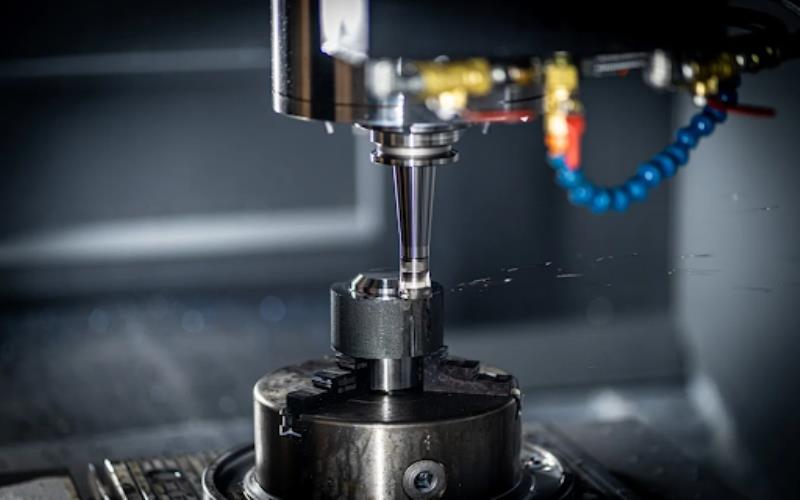
Effective coolant systems play a vital role in 3-axis CNC machining, ensuring smooth operations, tool longevity, and high-quality results. Coolants control heat, minimize friction, and remove debris during machining processes.
In this comprehensive guide, we will explore the different types of coolant systems, their benefits, and how to maintain them for extended use. Whether you’re a beginner or an experienced machinist, understanding coolant systems can improve your machining efficiency.
Coolant Systems for 3-Axis CNC Machines
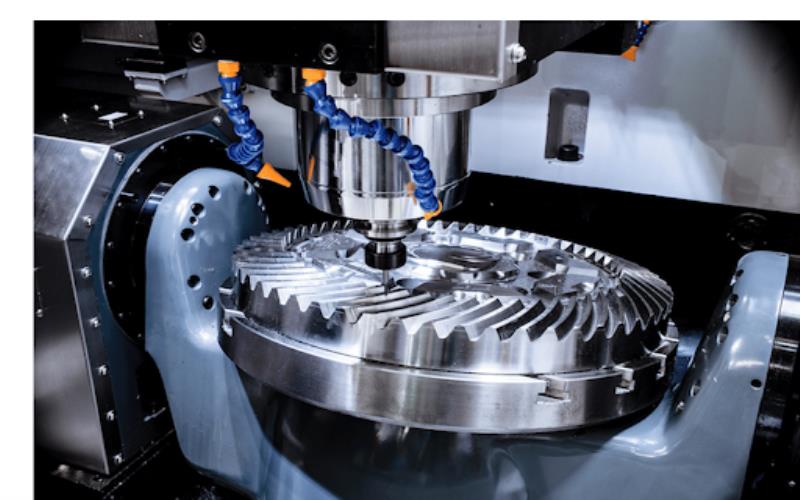
Coolant systems play a crucial role in ensuring the success of 3-axis CNC machining. These systems manage heat, improve lubrication, and flush away chips during operations. They are essential for maintaining tool life, achieving precision, and delivering high-quality results.
Choosing the right coolant system depends on the material, machining goals, and specific project requirements. Here’s a closer look at the most common types of coolant systems and their advantages.
Flood Coolant Systems
Flood coolant systems deliver a continuous stream of coolant directly to the cutting area. This method effectively cools the tool and workpiece while removing chips and debris from the cutting zone. The constant coolant flow reduces friction and prevents overheating, which is essential for maintaining tool longevity and workpiece integrity.
Flood systems are highly versatile, making them suitable for a wide range of machining operations. They work particularly well in high-speed and high-pressure scenarios, ensuring optimal performance. Flood systems are a reliable choice for both beginners and experienced machinists handling complex machining tasks.
Mist Coolant Systems
Mist coolant systems spray a fine mist of coolant onto the cutting zone, combining cooling and lubrication in one application. This method uses less coolant compared to flood systems, making it a cost-effective option for specific machining tasks. Mist systems are particularly effective for lightweight materials and lower-speed machining, where extensive cooling isn’t necessary.
One of the key benefits of mist systems is their adaptability. They are easy to set up and maintain, making them ideal for small-scale operations or applications where minimal coolant usage is a priority. However, they may not be as effective for heavy-duty machining or materials requiring significant heat dissipation.
High-Pressure Coolant Systems
High-pressure coolant systems use jets of coolant delivered at extremely high velocities to reach the cutting zone. This method excels in demanding applications, such as deep-hole drilling, where conventional systems may struggle to manage heat or evacuate chips effectively.
These systems not only prevent overheating but also ensure precise chip evacuation, which is critical for maintaining clean and accurate machining. High-pressure systems are an excellent choice for machining hard-to-reach areas or materials that generate excessive heat during cutting.
Selecting the right coolant system enhances machining performance, reduces tool wear, and ensures consistent results. Understanding the capabilities and benefits of each system empowers machinists to make informed decisions for their projects.
Types of Coolants: Oil-Based, Water-Based, and Synthetic
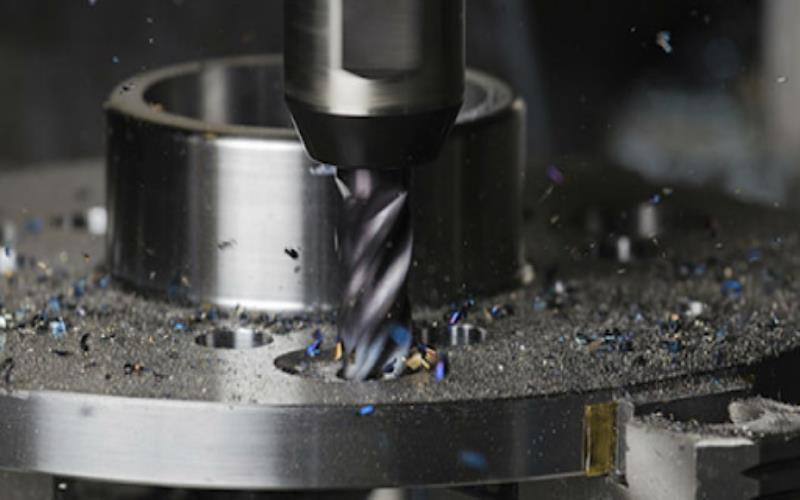
Choosing the right coolant for 3-axis CNC machining is critical for achieving optimal performance and extending tool life. Coolants reduce heat, improve lubrication, and ensure a smoother machining process. Each coolant type—oil-based, water-based, and synthetic—offers unique advantages tailored to specific materials and machining requirements. Understanding these options helps machinists select the best solution for their needs.
Oil-Based Coolants
Oil-based coolants excel in lubrication, making them ideal for heavy-duty machining tasks. These coolants reduce friction significantly, which extends tool life and enhances surface finishes. They work exceptionally well with tough materials like steel and titanium, which require additional lubrication during cutting.
One of the primary benefits of oil-based coolants is their ability to maintain tool performance under intense workloads. However, machinists should prepare for potential downsides, such as residue buildup on tools and workpieces. This residue requires frequent cleaning, adding an extra maintenance step. Additionally, oil-based coolants may not provide the same cooling efficiency as other types, which can limit their suitability for high-speed machining.
Water-Based Coolants
Water-based coolants are a versatile choice for a variety of machining applications. These coolants typically include additives to enhance lubrication and prevent rust on tools and workpieces. They offer superior cooling compared to oil-based options, making them a popular choice for operations that generate significant heat.
Cost-effectiveness is a key advantage of water-based coolants. They work efficiently for general-purpose machining tasks, offering a balance between cooling and lubrication. However, machinists must perform regular maintenance to address potential microbial growth and contamination. Using proper filtration and storage practices ensures the longevity and effectiveness of water-based coolants.
Synthetic Coolants
Synthetic coolants represent a modern solution for CNC machining. Free from petroleum or mineral oils, they deliver exceptional cooling performance while remaining environmentally friendly. These coolants reduce heat buildup effectively, making them suitable for high-speed machining and precision applications.
Synthetic coolants are especially effective for materials like aluminum and stainless steel, where clean, precise cutting is a priority. Their composition minimizes residue, reducing cleanup time and promoting smoother operations. Additionally, synthetic coolants are easier to dispose of than oil-based options, offering a more sustainable choice for manufacturers.
Selecting an ideal coolant type depends on the machining process, material, and desired outcomes. Oil-based coolants provide unmatched lubrication, water-based coolants deliver versatile cooling, and synthetic coolants offer a clean, efficient solution for modern machining needs.
Benefits of Effective Coolant Systems for Machining Efficiency
Coolant systems are essential for optimizing the performance and longevity of 3-axis CNC machines. They play a crucial role in maintaining machining efficiency, improving surface finishes, and enhancing tool life. Understanding the numerous benefits that an effective coolant system provides can help machinists achieve better results, reduce operational costs, and extend the lifespan of their equipment.
Heat Management
One of the primary functions of a coolant system is heat management. When machining, friction between the cutting tool and the workpiece generates heat, which can quickly cause overheating. Excessive heat can distort the workpiece, affect dimensional accuracy, and damage both the tool and the machine. An effective coolant system regulates temperature by constantly cooling the cutting area.
By maintaining optimal temperatures, coolants prevent thermal expansion of the material, ensuring that parts stay within the required tolerances. Without cooling, the heat generated can cause the material to become brittle, leading to premature wear on tools and decreased quality of the final product. The ability of the coolant system to manage heat effectively helps preserve both the integrity of the workpiece and the precision of the machine.
Improved Tool Life
Tool life is another critical aspect of machining efficiency. Cutting tools experience significant wear during operations, especially when working with hard materials. The presence of coolant reduces friction between the tool and the material, preventing excessive heat buildup that leads to tool degradation.
In the absence of coolant, the heat generated can cause tools to dull quickly, requiring frequent replacements and increasing maintenance costs. Coolant systems, by reducing friction and maintaining lower operating temperatures, extend the tool’s lifespan, reducing the need for replacements and repairs.
Moreover, coolants can reduce the likelihood of tool failure caused by thermal cycling—when a tool heats up and cools down repeatedly during the cutting process. This constant expansion and contraction can lead to cracks or warping in the tool. An effective coolant system helps mitigate these issues, ensuring tools perform at their best for a longer period.
Enhanced Surface Finish
Coolants do more than just cool the cutting area—they also play a significant role in enhancing the surface finish of the workpiece. When machining materials without coolant, heat can cause material deformation, leading to poor surface quality. The coolant acts as a lubricant, reducing the friction between the tool and the material, which helps produce a smoother, more consistent surface finish.
A high-quality surface finish is critical for many machining applications, especially in industries like aerospace, automotive, and electronics. Tool marks, burrs, or rough surfaces can compromise the functionality and aesthetic appeal of the final product. Coolants help minimize these defects by reducing friction, keeping the cutting area clean, and enabling finer cuts, which ultimately results in better-quality surfaces.
Additionally, an efficient coolant system helps prevent oxidation or rust formation on the surface of the workpiece. This is particularly important for materials like aluminum or steel, which are more prone to corrosion. By maintaining a clean cutting environment, coolant systems help preserve the material’s integrity and enhance its appearance.
Efficient Chip Removal
Chip removal is another area where coolant systems provide significant benefits. During the cutting process, material is removed from the workpiece in the form of chips. These chips must be efficiently cleared from the cutting area to prevent recutting, which can affect the quality of the work and damage the cutting tool.
Coolant systems help flush chips away from the cutting zone, preventing them from accumulating and interfering with the machining process. Without a coolant system, chips can become lodged between the tool and the material, resulting in poor-quality cuts and increased wear on the tool. By continuously removing chips, coolants help maintain a clean and stable cutting environment, which ensures consistent machining results.
Moreover, proper chip removal reduces the chances of tool jams or blockages, leading to smoother and uninterrupted operations. This improves the overall efficiency of the machining process, reducing downtime and increasing productivity.
Overall Efficiency and Cost Savings
Effective coolant systems do more than just improve tool life, surface finishes, and chip removal—they also lead to significant cost savings. By reducing tool wear, preventing overheating, and ensuring clean cuts, coolant systems minimize the need for frequent maintenance and replacement of tools. The result is lower operational costs and higher efficiency in the machining process.
In industries where precision is key, the role of coolant systems cannot be overstated. These systems are integral to achieving the desired quality, performance, and cost-effectiveness in CNC machining.
How to Maintain Coolant Quality for Extended Use?
Maintaining coolant quality is essential for ensuring optimal performance in CNC machining. Over time, coolant can degrade, leading to reduced efficiency, contamination, and even damage to both the workpiece and tools. Proper maintenance practices help extend coolant life, reduce downtime, and improve the overall machining process.
Regular Filtration
Filtering the coolant regularly is one of the most effective ways to maintain its quality. Coolants can accumulate debris, chips, and other contaminants during the machining process, which can clog the system and affect performance. Using an effective filtration system removes these particles, keeping the coolant clean and allowing it to flow freely. Regular filtration ensures that the coolant remains effective in reducing heat and improving tool life.
Monitoring Coolant Concentration
To maintain optimal performance, it’s crucial to monitor the coolant’s concentration. Using a refractometer, you can measure the coolant’s ratio of water to additives. An improper concentration can either reduce cooling efficiency or damage tools and workpieces. Over-diluted coolant won’t provide sufficient cooling, while overly concentrated coolant can lead to excessive tool wear and poor surface finishes. Regular checks ensure that the coolant maintains the proper balance for efficient performance.
Controlling Bacteria and Fungi Growth
Bacteria and fungi can thrive in water-based coolants, especially in warm and damp environments. This growth not only affects the coolant’s effectiveness but can also cause unpleasant odors and contamination. To prevent microbial growth, use biocides or antimicrobial additives that inhibit bacteria and fungi. These additives help maintain the coolant’s quality and prevent microbial damage to the system.
Frequent Cleaning
Cleaning the coolant tanks and lines regularly is essential for avoiding residue buildup. Periodic cleaning ensures that the coolant flows smoothly and doesn’t become clogged with sludge, rust, or other impurities. A clean system also helps avoid coolant breakdown, ensuring longer-lasting performance.
Recycling and Disposal
Recycling used coolant or disposing of it responsibly is not only environmentally friendly but also cost-effective. Consider recycling your coolant to minimize waste and reduce purchasing costs. Ensure that you follow proper disposal protocols to prevent contamination and environmental harm.
Conclusion
Coolant systems are indispensable for 3-axis CNC machining, enabling precision, tool longevity, and operational efficiency. From flood systems to synthetic coolants, each type offers unique benefits for specific machining tasks. Maintaining coolant quality through regular filtration, monitoring, and cleaning ensures reliable performance.
Zintilon, a leading provider of CNC machining solutions, specializes in optimizing coolant systems for enhanced results. They offer expert guidance and advanced solutions customized to your machining needs. Choose Zintilon for precision, efficiency, and superior service in CNC machining. Let their expertise drive your success.
