

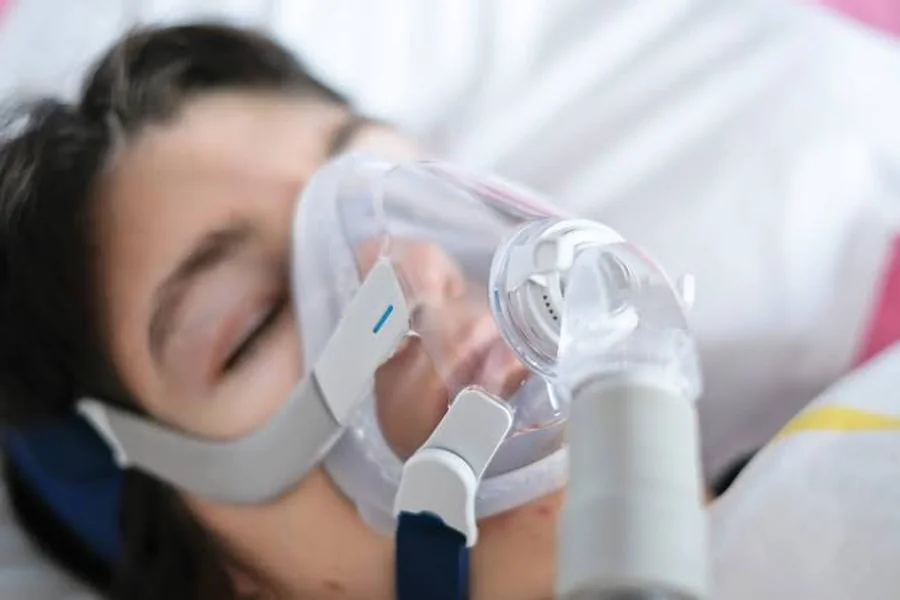
When individuals mention the idea of sleep therapy devices, they tend to believe that all the masks are the same. Nevertheless, BiPAP therapy has special demands and necessitates certain specifications of the masks. Since the machines of BiPAP provide two varying pressure rates; one during inhalation, and another during exhalation, the bipap masks should be able to resist increased pressure changes to ensure comfort and stability all night long.
Wearing a mask that is designed to accommodate BiPAP therapy will greatly enhance the effectiveness of therapy and comfort of the user. Being aware of the peculiarities that are particularly crucial in the case with BiPAP users will assist in guaranteeing the improved therapy process and improved results.
Improved Pressure Management Skill:
The ability of BiPAP mask in facilitating higher and variable pressure levels is one of the most significant features of the mask. BiPAP therapy shuts down and switches between inhalation and exhalation pressures as compared to typical sleep therapy systems which have one pressure level. A good BiPAP mask should be able to hold steadfast to such changes in pressure without its seal being compromised. This is important to assure of the consistency of the prescribed therapy to the user during night.
State-of-the-art Leak Protection Technology:
In BiPAP, pressure changes may also lead to the chances of getting mask leakages when the mask was not well designed. That is why various BiPAP-compatible masks are designed with advanced cushion systems that respond to alterations in airflow conditions. These cushions are used to ensure a safe seal, during both inhalation and exhalation, which lessens interruptions and enhances overall performance of the therapy.
High-Performance Cushion Technology:
One of the most vital components of BiPAP mask is the cushion. As BiPAP patients are frequently subjected to increased pressure support, the cushion has to be comfortable and yet offer an adequate seal. A large number of high-quality BiPAP masks contain adaptive silicone, gel or memory foam cushions which adapt to the movements of the face and changes in facial pressure. Such materials enable to minimize the pressure in faces and enhance the efficacy of therapy.
Better Stability in High Pressure Therapy:
Other BiPAP patients have much higher pressure requirements, compared to that of the average sleep therapy patient. Under such circumstances, mask stability takes even an increased significance. To ensure that the mask stay adequately attached during the night, BiPAP-specific designs may involve increased support structures, balanced headgear positions and better geometry of the frame.
Less Pressure on Sensitive Parts:
Though BiPAP therapy can include increased airflow pressures, newer mask designs are designed to minimize physical pressure on the face. This includes soft-touch materials and ergonomics that do not touch the sensitive parts of the nose (bridge) and cheeks. This is assistive in enhancing the comfort when used extensively at night.
Greater Adaptation To Changing Breathing Patterns:
BiPAP therapy is also a common therapy that doctors prescribe to those that have complex breathing problems such as respiratory disorders in which the breathing patterns vary. A large number of BiPAP masks are crafted in such a way that they can adjust to these changes in breathing needs and be consistent in their performance. They are able to adapt to changes in the flow of air and pressure because they are built flexibly.
Availability of Full Face Design:
Although the BiPAP users have the liberty of selecting a wide range of masks, full face masks are often popular in that they aid both breathing in through the nose and mouth. This may be helpful to the users who may feel nasally blocked or want to increase their pressure levels. Current full face BiPAP masks have been developed to give a safe seal without adding too much bulk and uncomfortable pressure.
Novel Headgear Support Systems:
BiPAP treatment frequently involves masks to avoid instability given the increased rate of airflow and pressure fluctuations. To do this, the manufacturers often offer specialized systems of headgears with numerous degrees of adjustment. These support mechanisms evenly spread pressure and aid in ensuring that the mask is in place during the night.
