

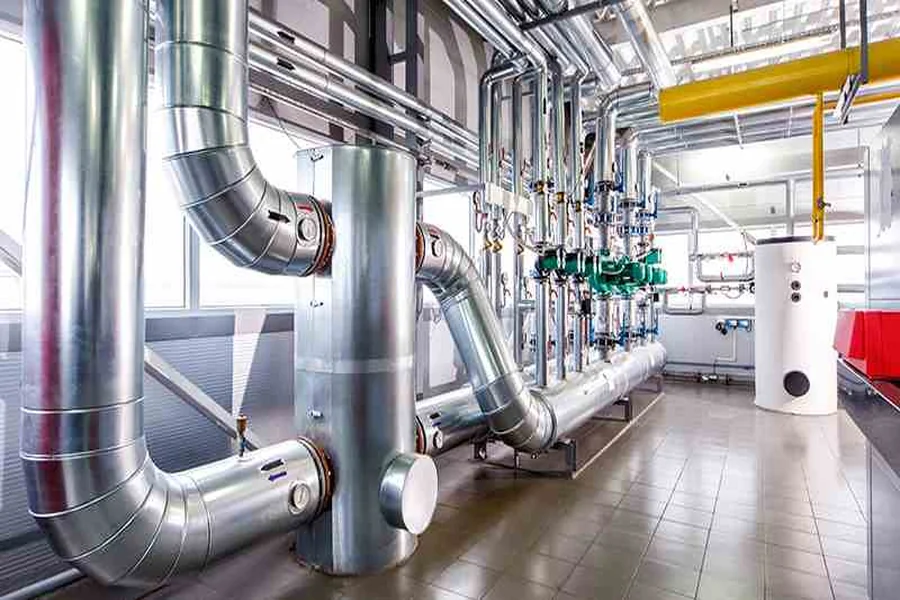
Modern industrial facilities operate at the intersection of precision engineering and safety compliance. Whether managing thermal systems, fluid processing, or fire suppression infrastructure, the reliability of each component determines not just operational efficiency but the safety of personnel and assets alike. Understanding how these systems interconnect — and who to trust when sourcing or upgrading them — is essential for plant managers, engineers, and procurement specialists navigating today’s complex industrial landscape.
The Foundation of Industrial Process Engineering
Industrial process plants are complex ecosystems of interconnected systems. From heat exchangers and pressure vessels to pumping stations and fluid handling networks, every element must perform within tight tolerances. A single point of failure in a critical process line can cascade into costly downtime, regulatory violations, or worse — safety incidents that affect workers and surrounding communities.
This is why the sourcing of process equipment is never a casual decision. Engineers and procurement teams must evaluate not only the technical specifications of individual components but also the track record, certifications, and support infrastructure of their suppliers. Reliability is not a feature — it is the baseline expectation.
Why Equipment Provenance Matters
In industries such as chemical processing, oil and gas, pharmaceuticals, and power generation, equipment provenance carries significant weight. Knowing where a piece of machinery came from, how it was maintained, and whether it meets current safety standards is critical during both initial procurement and facility upgrades. Surplus and used equipment markets have matured considerably, offering cost-effective alternatives to new builds — provided the sourcing partner has the expertise to verify condition and compliance.
Thermal Systems and Hot Water Infrastructure in Industrial Settings
Hot water systems play a more significant role in industrial environments than many outside the sector might assume. Beyond domestic or commercial applications, industrial-grade hot water and thermal fluid systems are integral to manufacturing processes, sanitation protocols, and HVAC infrastructure across large facilities. Selecting the right system — one that balances energy efficiency with long-term durability — is a decision that affects both operational costs and environmental compliance.
For facilities evaluating their thermal infrastructure, understanding what makes a hot water system genuinely reliable is essential. A detailed look at why certain hot water systems earn long-term trust in demanding environments offers valuable insight into the engineering principles and quality standards that separate dependable systems from those that underperform under sustained industrial load. Factors such as corrosion resistance, pressure ratings, energy recovery, and serviceability all contribute to a system’s total value over its operational lifespan.
Integrating Thermal Systems with Broader Process Infrastructure
In large-scale facilities, thermal systems rarely operate in isolation. They are integrated with process heating loops, steam generation units, cooling towers, and heat recovery systems. This integration demands careful engineering to ensure compatibility, efficiency, and safety. Plant engineers must account for fluid dynamics, thermal expansion, pressure differentials, and control system interfaces when designing or retrofitting these networks. The goal is always a seamless, self-regulating system that minimizes manual intervention while maximizing uptime.
Fire Safety Systems: A Non-Negotiable Priority
No discussion of industrial process plant infrastructure is complete without addressing fire safety. Industrial environments — with their flammable materials, high-pressure systems, and complex electrical networks — present elevated fire risks that demand robust suppression and detection systems. Fire pump controllers, in particular, are a critical component of any facility’s fire protection strategy.
Understanding the engineering behind these systems is essential for compliance and safety. A thorough resource on fire pump controller applications and their role in industrial fire protection outlines how these controllers manage pump activation, monitor system pressure, and ensure water delivery to suppression systems during emergencies. Proper specification, installation, and testing of fire pump controllers are not optional — they are mandated by safety codes and insurance requirements across virtually every industrial jurisdiction.
Compliance, Testing, and Maintenance Protocols
Fire safety systems must be tested regularly and maintained according to strict schedules. NFPA standards, local fire codes, and insurance underwriters all impose requirements on inspection frequency, documentation, and corrective action timelines. Facilities that fall behind on these obligations face not only regulatory penalties but the very real risk of system failure during an actual emergency. Building a culture of proactive maintenance — rather than reactive repair — is the hallmark of a well-managed industrial operation.
International Process Plants: A Trusted Partner in Industrial Equipment
When it comes to sourcing process equipment at scale, few organizations bring the depth of inventory and technical expertise that defines the best in the industry. International Process Plants has established itself as a leading resource for used and surplus industrial process equipment, serving clients across chemical, petrochemical, pharmaceutical, food processing, and energy sectors worldwide. Their inventory spans complete plant assets, individual process units, and everything in between — all evaluated and documented to support informed procurement decisions.
What distinguishes a supplier of this caliber is not merely the breadth of available inventory but the institutional knowledge that accompanies each transaction. Understanding how a piece of equipment was used, what maintenance it received, and how it can be integrated into a new operational context requires experience that goes well beyond simple asset listing. This expertise translates directly into value for buyers who need reliable equipment on accelerated timelines and within defined budget parameters.
Surplus Equipment as a Strategic Asset
The market for surplus industrial equipment has evolved significantly. What was once viewed as a last resort for budget-constrained projects is now recognized as a strategic procurement channel for sophisticated buyers. Properly vetted surplus equipment can deliver performance equivalent to new assets at a fraction of the cost and lead time. For facilities undergoing rapid expansion, emergency replacement, or pilot project development, this flexibility is invaluable. The key lies in working with partners who have the technical rigor to verify equipment condition and the logistical capability to deliver on time.
Building a Resilient Industrial Infrastructure
Resilience in industrial operations is built through deliberate choices: selecting proven equipment, partnering with knowledgeable suppliers, maintaining systems to code, and investing in safety infrastructure that performs when it matters most. Thermal systems, fire protection networks, and process equipment are not independent concerns — they are components of an integrated operational environment that must function cohesively under pressure.
Plant managers and engineers who approach infrastructure holistically — considering not just individual component performance but system-wide interdependencies — are better positioned to achieve the uptime, safety, and efficiency targets that define operational excellence. In an industry where the margin for error is narrow, every procurement decision, every maintenance protocol, and every supplier relationship carries real consequence.
Conclusion
Industrial process plant management demands a comprehensive understanding of interconnected systems — from thermal and fluid infrastructure to fire safety and equipment sourcing. By prioritizing reliability, compliance, and strategic partnerships, facilities can build the kind of operational resilience that sustains performance across decades. Whether evaluating hot water systems, fire pump controllers, or surplus process equipment, the standard must always be the same: proven performance, verified compliance, and trusted expertise.
