

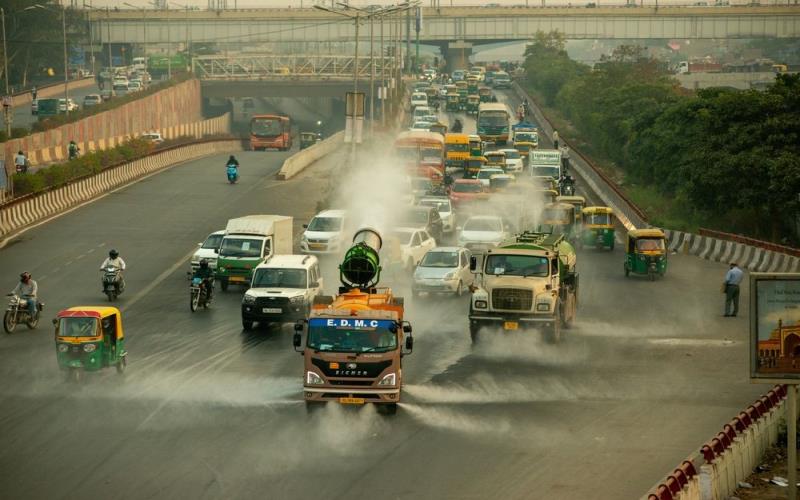
In Delhi, residents face the actual problem of air pollution. The city becomes engulfed in a thick smog, causing millions of people to suffer numerous health issues every year. This alarming situation has resulted in a 50% surge in health insurance inquiries as people seek protection from the invisible threat surrounding them. In this article, we will delve into the impact of poor air quality in Delhi, why health insurance has become a pressing concern, and how you can safeguard your well-being amidst this environmental crisis.
Understanding Delhi’s Air Quality Crisis
Being one of the most populated cities globally, Delhi is the most polluted city in the world. However, the severity of the problem has been raised in recent years. The air quality index in the city hits hazardous levels due to vehicular emissions, industrial activities, and agricultural residue burning in neighbouring states. Prolonged exposure to such pollutants has led to health complications among the city’s residents.
The Surge in Health Insurance Inquiries
The unusual increase in health insurance policy inquiries directly results from growing awareness of health risks. Citizens seeking financial protection through health insurance policies realise the potential long-term consequences of breathing polluted air. This increase is more than just a statistic; it reflects a widespread recognition that health must be prioritised in the face of such environmental challenges.
● Impact on Respiratory Health
The health risks of long-term exposure to the toxic air in Delhi pose a severe risk to the well-being of its residents. The pollutants present in the air can worsen respiratory conditions such as chronic obstructive pulmonary disease (COPD), bronchitis, and asthma. Especially for those with pre-existing respiratory conditions, they increasingly recognise the need for comprehensive health insurance coverage. These policies can reduce the financial burden of managing respiratory health, including the costs of specialised treatments.
● Rising Concerns about Cardiovascular Diseases
Studies clearly state that air pollution and cardiovascular disease have been linked. Fine particulate matter in polluted air can enter the bloodstream and cause heart complications. Aware of the increased risk, people seek health insurance policies covering comprehensive care. This ensures financial support for heart-related medical procedures, surgeries, and ongoing treatments.
The Role of Health Insurance Policies
-
Comprehensive Coverage for Respiratory Ailments
Health insurance coverage usually covers the diagnosis and treatment of respiratory ailments. This includes hospitalisation, prescription expenditures, and coverage for speciality treatments such as respiratory therapy or surgery in extreme circumstances. Individuals can manage the financial obstacles of managing respiratory health in an environment of poor air quality by purchasing health insurance policies.
● Encompassing Cardiovascular Care
Many health insurance policies cover cardiovascular diseases. Given the direct correlation between air pollution and heart-related complications, people are opting for policies that provide comprehensive cardiovascular care. This ensures financial support for heart-related medical procedures, surgeries, and ongoing treatments.
● Preventive Care and Wellness Programs
Recognising the value of proactive health management, health insurance companies emphasise preventive care and wellness programs more. These policies provide financial incentives and coverage for preventive screenings and lifestyle management programs. This method addresses immediate health concerns and promotes long-term well-being, which is critical in combating the effects of poor air quality.
● Critical Illness Coverage
With the increased risk of developing critical illnesses due to poor air quality, people are looking into health insurance policies that cover a wide range of critical illnesses. These policies pay out lump sums upon diagnosing covered critical illnesses and providing financial assistance for specialised treatments and ongoing care.
● Hospitalisation and Medical Expenses
Health problems caused by air pollution frequently demand hospitalisation and costly medical procedures. The health insurance coverage includes hospitalisation expenditures such as surgical procedures, room rent, diagnostics, and post-operative care. This financial support is vital in reducing the financial burden of sudden medical emergencies, allowing people to focus on their recovery process without worrying about the financial stress.
● Tax Benefits
Under Section 80D of the Income Tax Act, individuals can claim deductions for premiums paid on health insurance policies, including those for family members. This not only encourages people to invest in health insurance to safeguard against pollution-related health problems but also provides financial relief through tax benefits. By promoting awareness about health coverage options and the advantages of Section 80D, individuals can better protect their health while also enjoying potential tax savings.
Public Awareness and Education
-
Government Initiatives
National and state governments can play a critical role in increasing awareness about the health risks associated with air pollution. Working with health insurance providers to spread information about the importance of coverage and specific benefits in the context of air pollution-related health issues can have a vital impact on public awareness.
● Insurance Industry Outreach
Health insurance companies should educate the public about the significance of their products in fighting the health risks associated with poor air quality. Using various communication channels, holding workshops, and working with healthcare professionals can help emphasise health insurance’s importance as a financial safeguard.
● Community Engagement
Local communities and non-governmental organisations (NGOs) can substantially contribute to public awareness campaigns. Individuals can be empowered to make well-informed decisions about their health and financial well-being through community-driven initiatives, workshops, and information distribution activities. This grassroots approach can address particular community problems and misunderstandings.
● Challenges and Opportunities
While the surge in health insurance inquiries positively responds to Delhi’s air quality crisis, challenges persist. Affordability, accessibility, and the need for tailored insurance solutions are ongoing concerns. However, these challenges also present opportunities for collaboration and innovation within the insurance industry.
● Affordability and Accessibility
Making health insurance accessible and inexpensive to many people is vital. Governments and insurers can collaborate to subsidise insurance programs or incentives for low-income people. Furthermore, utilising digital platforms and technology to speed the insurance application process might make it more accessible to a broader audience.
● Tailored Insurance Solutions
Recognising the unique health risks of air pollution, insurance providers can innovate by developing specialised insurance policies. These policies can offer enhanced coverage for respiratory and cardiovascular ailments, aligning with the specific needs of individuals exposed to high levels of air pollution. Tailored solutions can bridge gaps in coverage and provide more comprehensive protection.
● Technology Integration
Integrating telemedicine and health monitoring devices can revolutionise the health insurance landscape. Insurers can explore partnerships with technology companies to offer innovative solutions that enable policyholders to access remote healthcare services and observe their health in real time. This not only enhances convenience but also promotes proactive health management.
The 50% increase in health insurance queries in response to Delhi’s hazardous air quality demonstrates the evolving dynamics between environmental issues and human health readiness. As individuals deal with the consequences of air pollution, health insurance has emerged as an essential instrument for minimising the cost burden of related health conditions. Governments, insurance companies, and communities must work together to raise awareness, reduce costs, and develop insurance solutions that address the particular issues faced by decreasing air quality. In navigating the hazy horizon, health insurance serves as a light of financial security, enabling individuals to secure their well-being in the face of an unpredictable environmental terrain.
